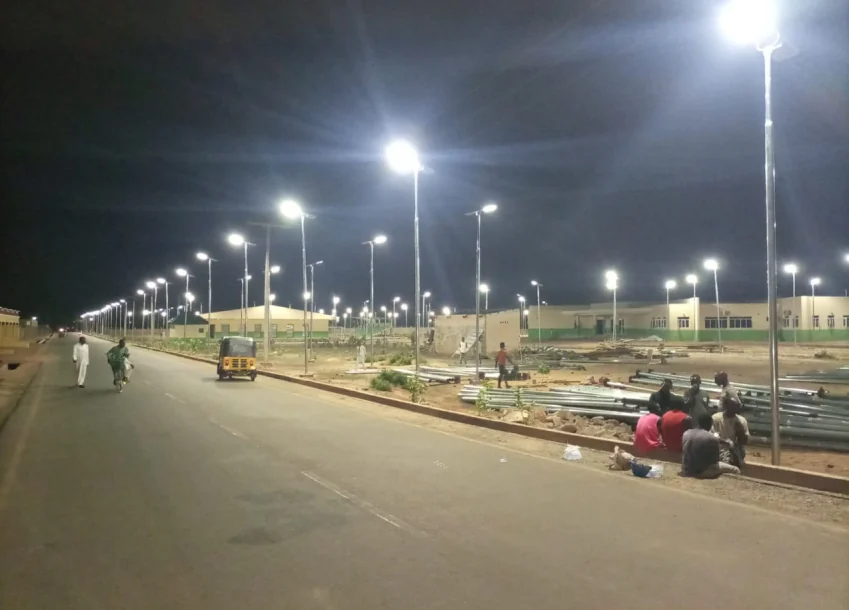
Quick answer: A reliable solar street light is a complete engineered unit, not only a lamp and panel. Community projects should specify lighting coverage, operating hours, battery autonomy, pole strength, security and a maintenance plan before placing an order.
Define the lighting requirement
Map the road or public area, mounting height, spacing, expected pedestrian activity and security priorities. A lighting professional can model the required distribution rather than selecting by wattage alone.
Specify the system
Light output
Ask for photometric data, not just a marketing watt number. The target is useful, even illumination where people and vehicles need it.
Battery and autonomy
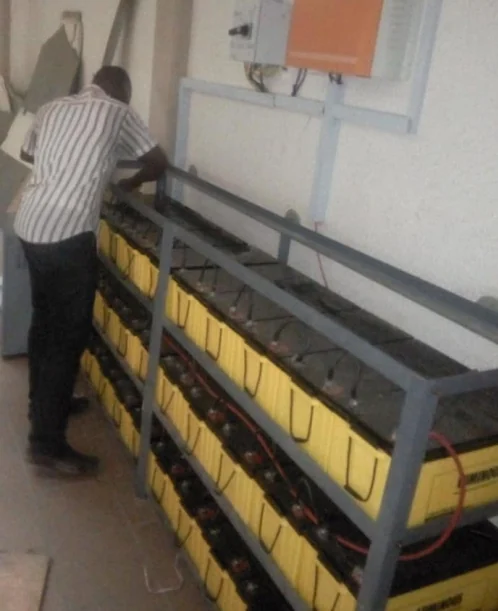
Specify the number of nights required during low-sun conditions and confirm the battery enclosure, temperature range and replacement method.
Pole and protection
Confirm foundation design, wind loading, corrosion protection, cable security and access for servicing.
Commissioning and maintenance
Test each unit at night, record locations and serial numbers, and schedule periodic checks for panel cleanliness, battery health, physical damage and light output.
Frequently Asked Questions
Can solar street lights operate all night?
They can be designed for all-night operation when the battery, lighting profile and solar resource are correctly matched.
Are solar street lights maintenance-free?
No. They need inspection, cleaning and planned replacement of wear components.
Next step: SolarBoard Ltd can help you turn the guidance into a site-specific plan.
About SolarBoard Ltd: SolarBoard Ltd delivers solar power systems, backup power, security, safety, general contracting, consulting and training across Nigeria. Explore our energy solutions or contact our team for a site assessment.
Image credit: SolarBoard Ltd.