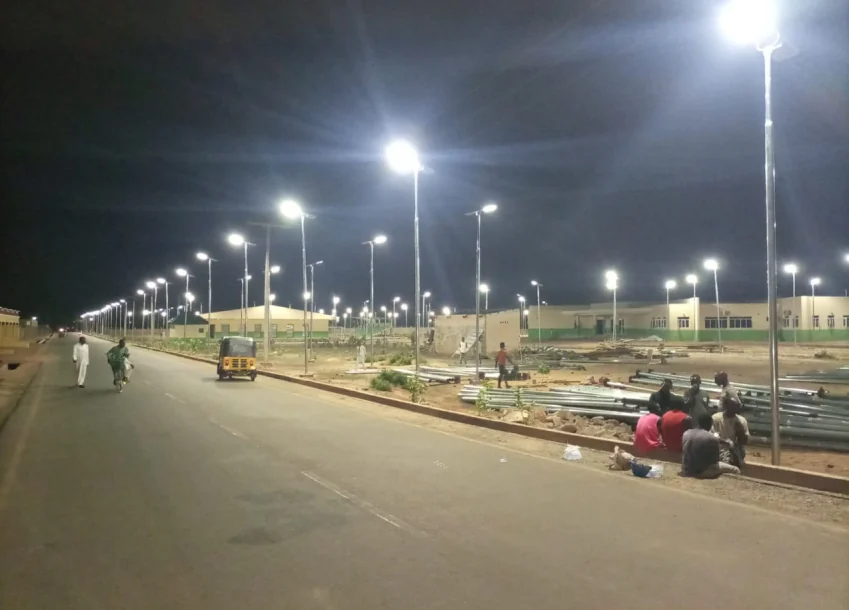
Quick answer: Off-grid solar can provide dependable electricity where grid service is unavailable or costly to extend. The system should be designed around essential household needs, seasonal conditions, water access, communications, security and the availability of local maintenance support.
Define essential services
Start with lights, phone charging, refrigeration, water pumping, communications and security. Add productive loads such as a small freezer, sewing machine or office equipment only after their energy use is measured.
Design for the location
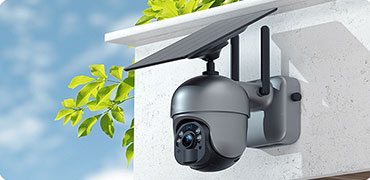
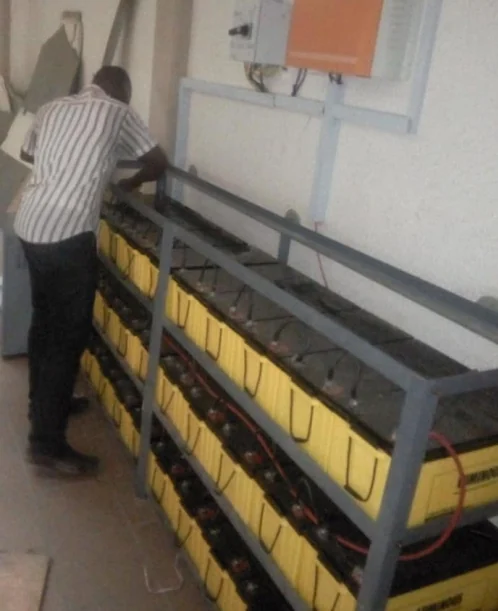
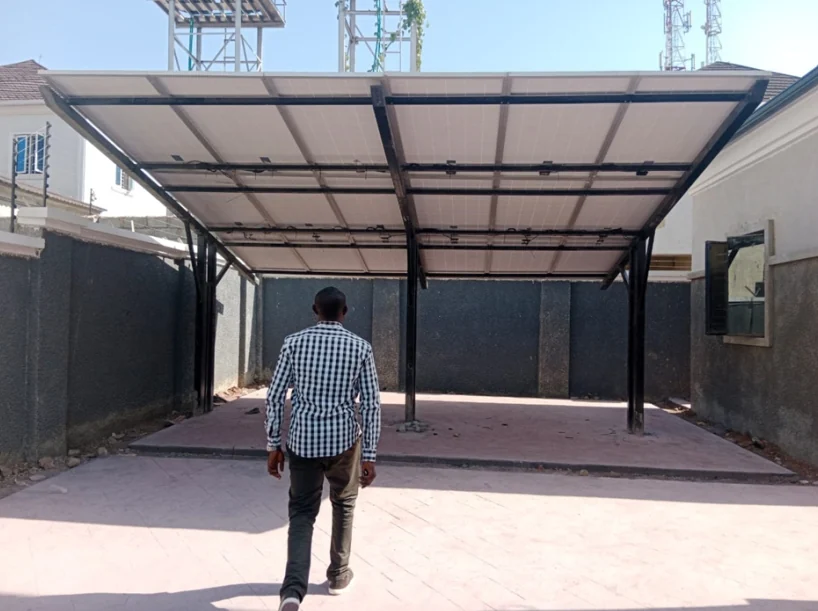
Check transport access, roof or ground mounting, dust, heat, lightning exposure, cable protection and battery security. Remote equipment needs clear labels and a maintenance plan that local users can understand.
Plan energy behaviour
Set simple priorities for daytime and evening use. Monitoring helps users see when energy is available and prevents avoidable deep discharge.
Build service into the project
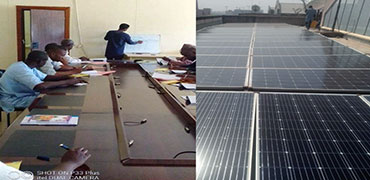
Provide spare fuses where appropriate, contact details, inspection dates and training. A technically good installation can still fail if no one knows how to operate or maintain it.
Frequently Asked Questions
Can an off-grid system run a borehole pump?
Yes, when the pump’s starting current, daily water demand and storage tank strategy are included in the design.
Is off-grid solar only for rural areas?
No. It can also suit sites where a resilient independent supply is more valuable than grid dependence.
Next step: SolarBoard Ltd can help you turn the guidance into a site-specific plan.
About SolarBoard Ltd: SolarBoard Ltd delivers solar power systems, backup power, security, safety, general contracting, consulting and training across Nigeria. Explore our energy solutions or contact our team for a site assessment.
Image credit: SolarBoard Ltd.