Quick answer: Solar infrastructure needs more than panels and batteries. Physical security, electrical protection, fire awareness, monitoring and maintenance procedures reduce avoidable damage and help operators identify faults before they become dangerous.
Protect the physical asset
Use secure equipment rooms or enclosures, tamper-resistant fasteners where appropriate, controlled access and clear asset records. Remote sites should be assessed for theft, vandalism and environmental exposure.
Control electrical risk
Provide correct isolation, earthing, surge protection, labelling, cable protection and ventilation. Only trained personnel should work on energised equipment, and emergency shutdown procedures should be visible.
Use monitoring intelligently
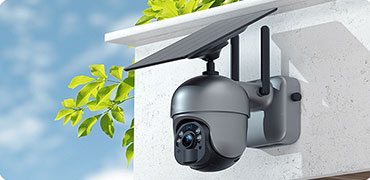
Inverter alerts, battery data, CCTV and site inspections can work together. Monitoring is valuable when someone is assigned to review alerts and act on them.
Review the system regularly
Security and safety measures should be checked after storms, construction changes, equipment upgrades and any incident. A short written inspection record supports accountability.
Frequently Asked Questions
Does CCTV replace site security?
No. CCTV improves visibility but works best with access control, lighting, response procedures and physical protection.
Who should service solar safety equipment?
Use competent technicians familiar with the system design and the applicable electrical safety requirements.
Next step: SolarBoard Ltd can help you turn the guidance into a site-specific plan.
About SolarBoard Ltd: SolarBoard Ltd delivers solar power systems, backup power, security, safety, general contracting, consulting and training across Nigeria. Explore our energy solutions or contact our team for a site assessment.
Image credit: SolarBoard Ltd.