Quick answer: For a small business, solar is an operational resilience decision as much as an energy purchase. The system should protect revenue-critical activities, reduce avoidable downtime and remain serviceable as the business grows.Identify revenue-critical loadsStart with point-of-sale equipment, internet, refrigeration, lighting, security and production equipment. Separate these from optional loads so the battery is used where it protects the business most.Measure cost and downtimeRecord fuel, repairs, lost working hours and product spoilage where relevant. This information helps compare system...
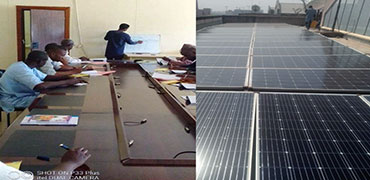
Quick answer: Good solar installation training combines electrical fundamentals, system design, safe working practice, equipment configuration, commissioning and customer communication. It prepares learners to build systems that are safe, serviceable and correctly matched to real loads.Core technical skillsLearners should understand voltage, current, power, energy, series and parallel circuits, battery behaviour, inverter limits, photovoltaic strings and basic protection. These fundamentals support better decisions across brands.Design and installation practiceTraining should cover load assessment, cable sizing, voltage drop, array layout, earthing, isolators, surge...
Recent Posts
-
Solar Energy for Small Businesses: A Resilience Plan
22 September 2026 -
Why Lithium Battery Storage Is Popular for Nigerian Solar Systems
22 September 2026 -
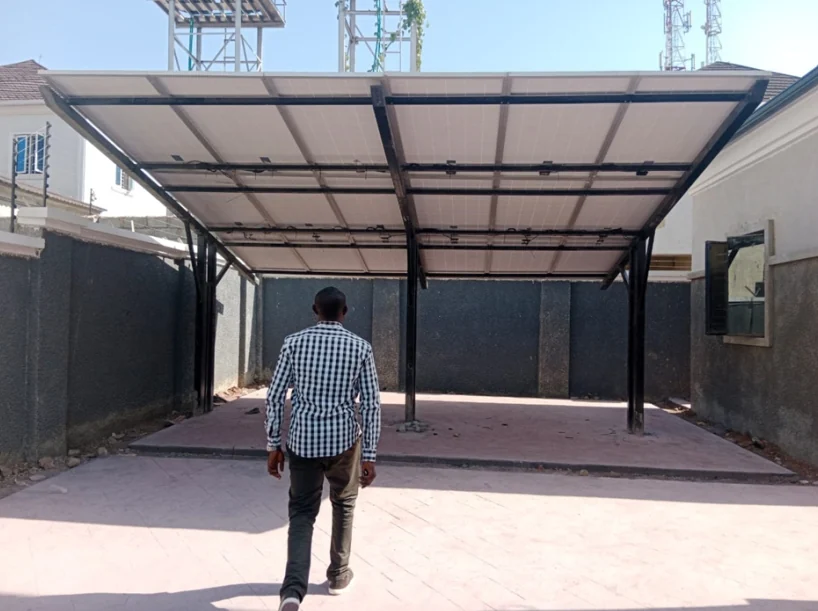
A Buyer’s Checklist for 400W and 500W Solar Panels in Nigeria
22 September 2026 -
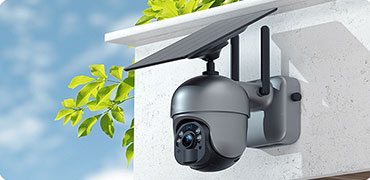
How Security and Safety Systems Support Solar Infrastructure
22 September 2026 -
Solar Installation Training in Nigeria: Skills That Matter
22 September 2026