
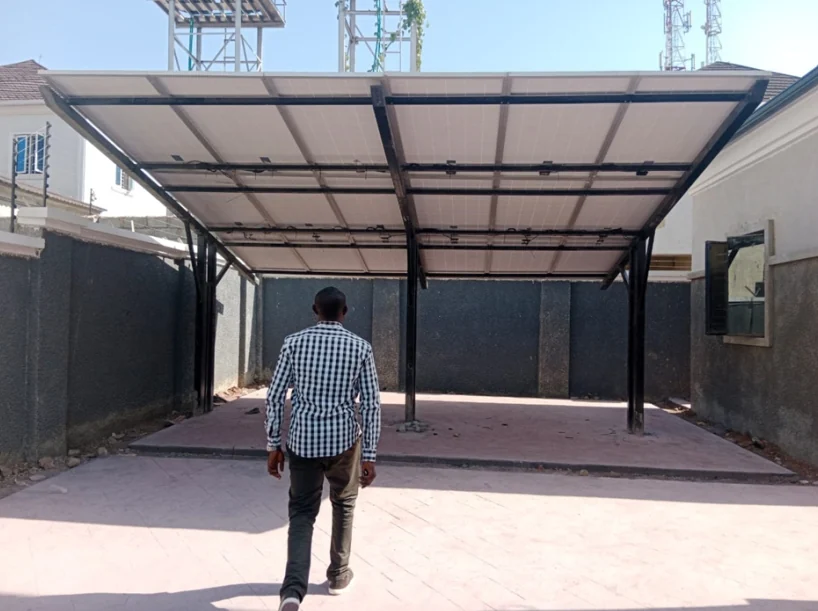
Quick answer: A 500W panel is not automatically better than a 400W panel. The useful choice depends on the roof area, panel dimensions, inverter MPPT range, transport, mounting structure, warranty and the total number of panels required for the system.Compare the specification sheetCheck rated power, open-circuit voltage, maximum-power voltage, current, dimensions, weight, temperature coefficient and warranty. Two panels with similar wattage can have different electrical characteristics.Consider the roofMeasure usable space and access routes before ordering. Larger panels may reduce the...
Quick answer: Solar financing can spread the cost of an energy system, but the headline monthly payment is only one part of the decision. Buyers should understand ownership, total repayment, maintenance, equipment warranties, late-payment terms and what happens if the system needs replacement.Compare the full costCalculate the deposit, all instalments, fees, insurance, maintenance charges and final ownership payment. Compare that total with a direct purchase quotation for the same equipment and scope.Clarify who owns the systemSome arrangements transfer ownership immediately,...
Quick answer: A reliable solar installer in Lagos should offer a documented site survey, load assessment, engineered design, safe installation, commissioning records and after-sales support. A polished sales presentation alone is not enough to judge technical capability.What a professional process looks likeSite surveyThe installer should inspect loads, roof or ground conditions, shade, cable routes, earthing, ventilation and the location of batteries and inverter equipment.Written designRequest a schedule showing panel capacity, inverter model, usable battery capacity, protection equipment, expected critical loads...
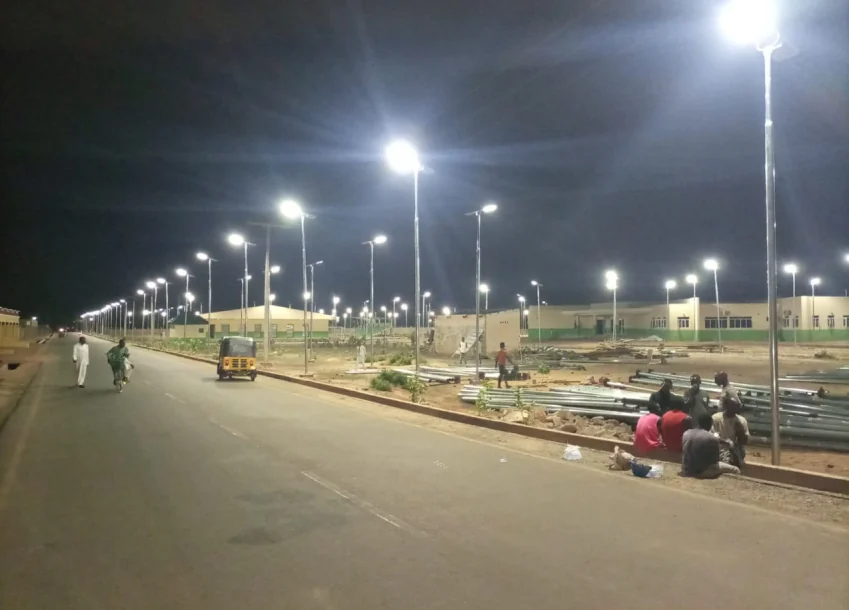
Quick answer: A small office solar system should be sized from measured demand, operating hours and the loads that must remain available during outages. Computers, routers, lights and security equipment are usually easier to support than air conditioners, water heaters and other high-load appliances.Build a simple office load scheduleList equipment, quantity, rated watts and daily operating hours. Measure uncertain loads where possible. Mark critical circuits so the backup system does not waste battery energy on non-essential equipment.Size the inverterAdd the...
Recent Posts
-
Solar Energy for Small Businesses: A Resilience Plan
22 September 2026 -

Why Lithium Battery Storage Is Popular for Nigerian Solar Systems
22 September 2026 -
A Buyer’s Checklist for 400W and 500W Solar Panels in Nigeria
22 September 2026 -
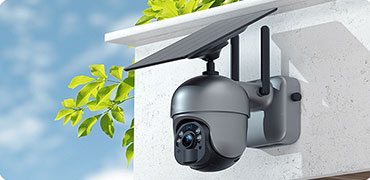
How Security and Safety Systems Support Solar Infrastructure
22 September 2026 -
Solar Installation Training in Nigeria: Skills That Matter
22 September 2026