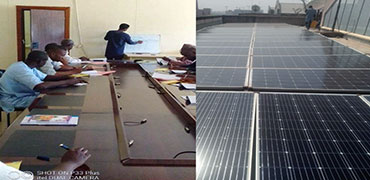
Quick answer: For most Nigerian installations, the best solar panel is the one that delivers dependable output within the available roof space and budget. Panel technology matters, but installation quality, shading, ventilation and warranty support matter just as much.
Common panel technologies
Monocrystalline
Monocrystalline panels are widely used because they provide strong efficiency in a compact footprint. They are useful where roof space is limited.
Polycrystalline
Polycrystalline panels can be suitable where space is available and the project budget prioritises initial cost. Compare tested output and warranty terms rather than relying on appearance.
Thin-film
Thin-film products have specific advantages in some low-light or architectural applications, but they may need more area for the same rated capacity.
What to check before buying
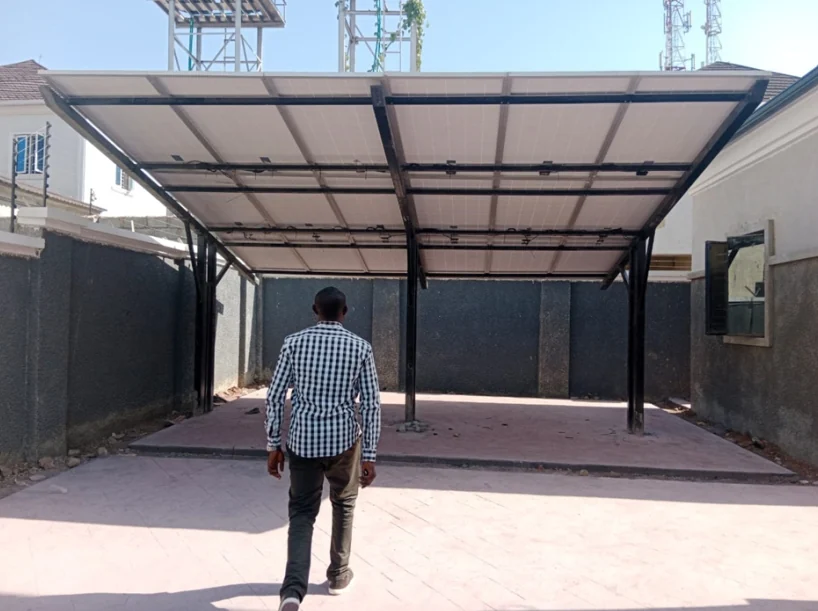
Review the nameplate rating, temperature coefficient, degradation warranty, product warranty, mechanical load rating and supplier support. Check the roof for shade at different times of day and keep panels clear of avoidable obstructions.
Frequently Asked Questions
Is the highest wattage panel always best?
No. The panel must fit the roof, inverter voltage range, mounting plan and overall system design.
Does heat stop solar panels from working?
No, but output generally falls as cell temperature rises. Good airflow and correct spacing help manage heat.
Next step: SolarBoard Ltd can help you turn the guidance into a site-specific plan.
About SolarBoard Ltd: SolarBoard Ltd delivers solar power systems, backup power, security, safety, general contracting, consulting and training across Nigeria. Explore our energy solutions or contact our team for a site assessment.
Image credit: SolarBoard Ltd.