Quick answer: Solar financing can spread the cost of an energy system, but the headline monthly payment is only one part of the decision. Buyers should understand ownership, total repayment, maintenance, equipment warranties, late-payment terms and what happens if the system needs replacement.
Compare the full cost
Calculate the deposit, all instalments, fees, insurance, maintenance charges and final ownership payment. Compare that total with a direct purchase quotation for the same equipment and scope.
Clarify who owns the system
Some arrangements transfer ownership immediately, while others keep the equipment under a lease or service agreement. The ownership model affects repairs, relocation, upgrades and resale.
Check the technical promise
The agreement should identify the inverter, battery, panels, monitoring service, expected operating conditions and exclusions. A finance plan should not hide an under-sized system.
Protect yourself
Read the default, cancellation, early settlement and warranty clauses. Ask who responds to faults and how quickly service is provided in your location.
Frequently Asked Questions
Is financing always cheaper?
No. Financing improves cash flow but can increase the total amount paid.
Can I finance only the battery?
Some providers may offer partial financing, but the system must still be designed as a compatible whole.
Next step: SolarBoard Ltd can help you turn the guidance into a site-specific plan.
About SolarBoard Ltd: SolarBoard Ltd delivers solar power systems, backup power, security, safety, general contracting, consulting and training across Nigeria. Explore our energy solutions or contact our team for a site assessment.
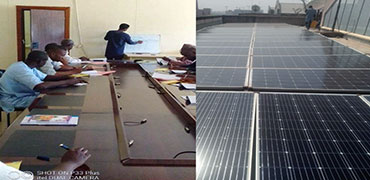
Image credit: SolarBoard Ltd.