
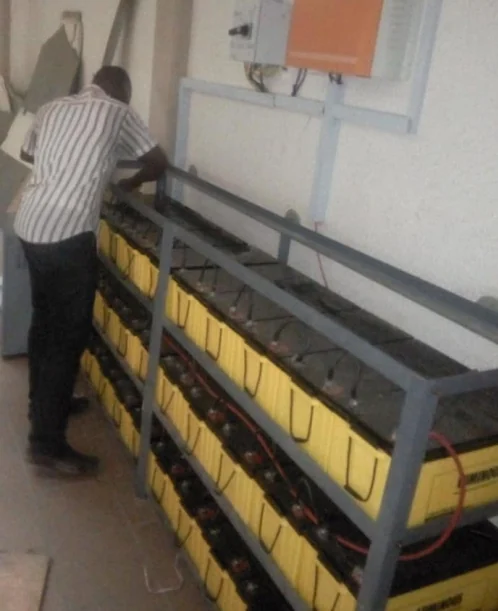
Quick answer: A solar generator normally combines a battery, inverter and charging inputs in one portable unit, while a fuel generator converts combustion into electricity. The better choice depends on load size, runtime, mobility, noise, fuel access and whether you need repeated daily cycling.
Compare the operating model
Solar generators are quiet at the point of use and can be recharged from panels or mains, but their runtime is limited by stored capacity. Fuel generators can run for longer with refuelling, but need fuel, ventilation, servicing and safe outdoor operation.
Check the technical limits
Compare continuous watts, surge watts, usable battery capacity, charging speed, output sockets and protection. Do not connect a load whose starting current exceeds the inverter’s surge capability.
Choose by use case
Portable battery systems can suit routers, lights, small appliances and temporary work. A fixed solar-plus-storage system is more appropriate for whole-home or office circuits. Fuel generators may remain useful for very high loads or prolonged low-sun periods when safely installed.
Frequently Asked Questions
Is a solar generator completely maintenance-free?
No. It needs battery monitoring, clean connections, correct storage and periodic testing.
Can a portable unit power a refrigerator?
It may, if its continuous and surge ratings and usable capacity match the refrigerator’s starting and running demand.
Next step: SolarBoard Ltd can help you turn the guidance into a site-specific plan.
About SolarBoard Ltd: SolarBoard Ltd delivers solar power systems, backup power, security, safety, general contracting, consulting and training across Nigeria. Explore our energy solutions or contact our team for a site assessment.
Image credit: SolarBoard Ltd.